


Walker vs Rollator: Choosing the Right Mobility Aid for Your Daily Needs
- 1 day ago
- 3 min read
Mobility aids play a crucial role in helping many people maintain independence and move around safely. When choosing between a walker and a rollator, understanding their differences can make a big impact on daily comfort and safety. Both devices support mobility, but they serve different needs depending on your physical condition and lifestyle. This post will guide you through the key factors to consider so you can pick the best option for your daily activities.
Understanding Walkers and Rollators
A walker is a simple frame that provides strong support and stability. It usually has no wheels or just two front wheels, requiring the user to lift or push it carefully while walking. Walkers are ideal for people who need maximum balance assistance or have limited strength in their arms or hands.
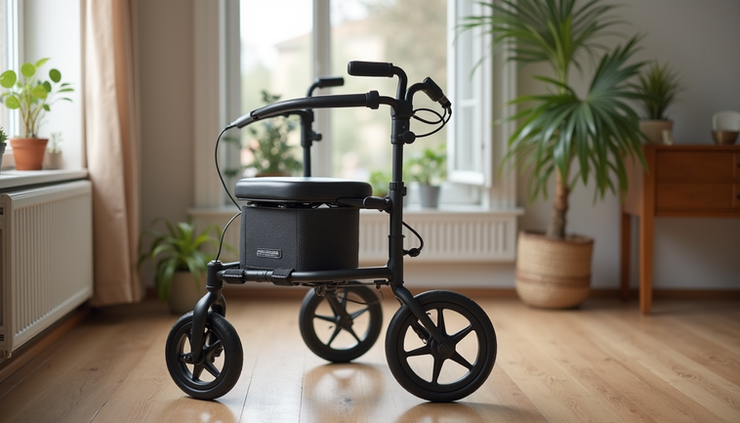
A rollator looks similar but includes four wheels, hand brakes, and often a seat. It allows smoother movement without lifting and offers a place to rest when needed. Rollators suit users who can walk with some stability but want more freedom and comfort during longer walks.
When to Choose a Walker
Choose a walker if your main concern is stability and support. Walkers provide a solid base that reduces the risk of falls, especially on uneven surfaces or stairs. They are often recommended for people recovering from surgery, those with severe balance issues, or individuals with weak upper body strength.
Key reasons to pick a walker:
You need firm support to stand and move safely.
You walk mostly indoors or on flat surfaces.
You have difficulty controlling brakes or wheels.
You prefer a lightweight frame that is easy to lift.
Walkers come in different styles, including standard, wheeled, and seated versions. Standard walkers without wheels require lifting but offer the most stability. Some models fold easily for storage and transport, which is helpful for travel or small living spaces.
When to Choose a Rollator
A rollator is better if you want smoother movement and the option to rest during walks. The wheels allow you to push the device without lifting it, reducing strain on your arms and shoulders. The built-in seat is useful for taking breaks, especially outdoors or in public places.
Choose a rollator if:
You can walk with some balance but need extra support.
You want to move more quickly and easily.
You like having a seat for resting during longer outings.
You need brakes that are easy to operate.
Rollators come with different brake styles, such as loop or lever brakes, which help control speed and stop safely. Some models have baskets or bags for carrying personal items, adding convenience for errands or shopping.

Important Features to Compare
When deciding between a walker and a rollator, consider these features carefully:
Brake style: Check if the brakes are easy to reach and operate. Lever brakes offer more control, while loop brakes are simpler.
Handle height: Adjustable handles ensure proper posture and reduce strain on wrists and shoulders.
Frame weight: A lighter frame is easier to carry and maneuver but may offer less stability.
Folding size: If you travel or have limited storage, choose a model that folds compactly.
Trying out different models in person can help you find the best fit. Physical therapists or mobility specialists can also provide valuable advice based on your specific needs.
Practical Examples
Imagine someone recovering from hip surgery who needs strong support to avoid falls. A standard walker without wheels would provide the necessary stability during early recovery stages.
On the other hand, an active senior who enjoys walking in the park might prefer a rollator. The wheels make movement easier, and the seat offers a comfortable spot to rest when tired.
Final Thoughts on Choosing Your Mobility Aid
Choosing the right mobility aid depends on your balance, strength, and daily activities. Walkers offer unmatched stability for those who need it most, while rollators provide smoother movement and rest options for more active users.


Comments